

Frontline workers keep plants running and make sure products are built right. Yet they have often been the last people in a company to get modern tools. The result is familiar to most plant heads: human error, unreliable data and instructions that get lost between the office and the shop floor.
We explored this in a LinkedIn Live session, "5X Industrial Workforce Productivity with Augmented Reality", which looked at Plutomen Workflow, a product that combines AR smart glasses with digital work instruction software.
Four problems frontline teams face every day
Inaccurate and unreliable data
Data recorded by hand is prone to repeated human error. Even small mistakes can be costly when that data feeds quality control and decisions.
Instructions on pen and paper
Paper instructions are slow to update and easy to misread. Misinterpretation leads to missed steps and rework.
Too much manual reporting
Workers spend more time writing reports than solving the problems in front of them. That is a poor use of skilled people.
A retiring workforce and a growing skills gap
Many experts are close to retirement. When they leave, their know-how often leaves with them, which puts the continuity of operations at risk.
The idea: step-by-step instructions in the worker's line of sight
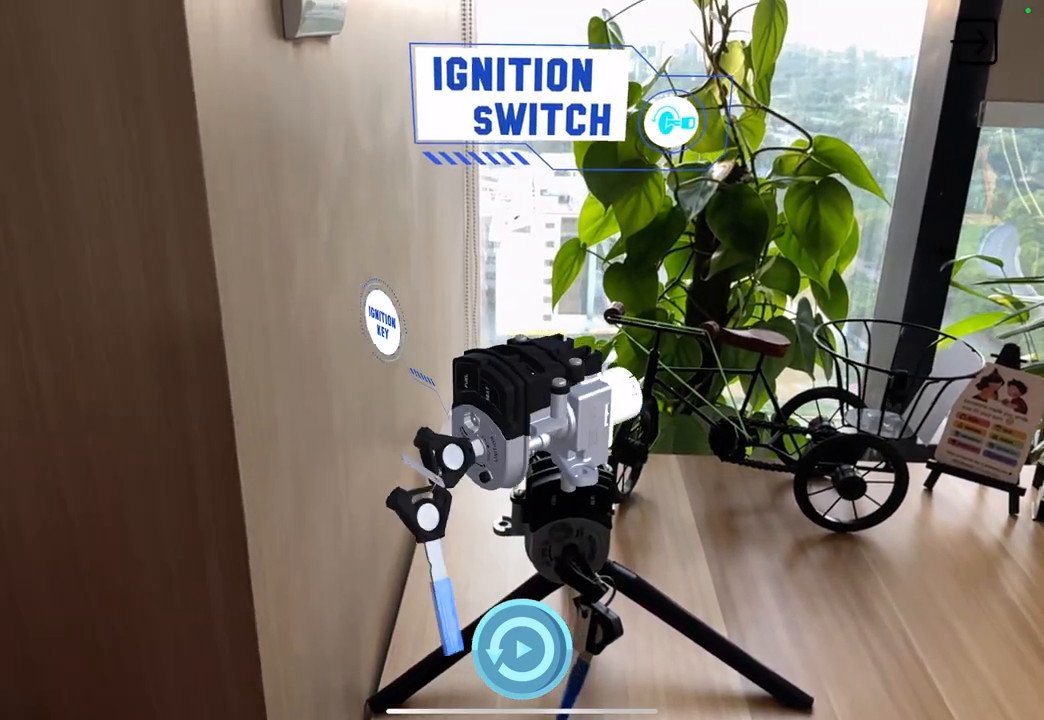
Plutomen Workflow pairs AR smart glasses with a platform for digital work instructions. Instead of reading a long paper document, the worker sees each step through the glasses and follows it in real time. The main parts are:
- Central digital instructions: one dashboard to create, update and share paperless instructions, so every worker has the current version.
- AR smart glasses: step-by-step guidance shown to the worker as they carry out the task.
- Real-time overview: supervisors can see how work is being carried out, check compliance and spot where productivity can improve.
- Wide application: audits and inspections, field service, customer service, and learning and development.
What this changes on the shop floor
- Fewer errors: replacing pen and paper reduces mistakes in data recording and makes data more reliable for quality control.
- Less time lost: workers stop searching through paper documents and Word files for the right instruction.
- Expertise kept: the knowledge of experts nearing retirement can be captured in the instruction platform for current and future workers.
- Standard, visible processes: every site follows the same procedure, and supervisors can monitor tasks as they happen.
- Less paperwork: manual forms disappear, so tasks run more consistently.
- Better customer service: workers with accurate, current instructions can serve customers better.
How to apply it in your plant
Start with the tasks where errors or delays cost you most: an inspection routine, a changeover or a maintenance job that only a few senior people know well. Capture those steps as digital work instructions first, then roll the glasses out to the team that performs them.
Use the real-time overview from the start. It shows where people slow down or deviate from the procedure, which tells you which instructions to improve next. Over time, the instruction library becomes a record of how your best people work.
Next step
If you want to explore AR work instructions for your frontline teams, talk to our team. We can connect you with the right people and show you how AR fits alongside VR training at our Experience Centre.
First published on the Metaverse911 blog.
Frequently asked questions
How do AR smart glasses help frontline workers in manufacturing?
AR smart glasses show frontline workers each step of a task in their line of sight, so they follow digital work instructions in real time instead of reading long paper documents. This reduces errors in data recording, saves time spent searching for the right instruction, cuts manual paperwork and gives supervisors a real-time view of how work is carried out.
What is Plutomen Workflow?
Plutomen Workflow is a product that combines AR smart glasses with digital work instruction software. It has a central dashboard to create, update and share paperless instructions, step-by-step guidance on the glasses, and a real-time overview for supervisors to check compliance and productivity. It applies to audits and inspections, field service, customer service, and learning and development.
How can digital work instructions preserve the knowledge of retiring experts?
Digital work instructions let a plant capture the know-how of experienced workers nearing retirement in a central instruction platform. Current and future workers can then follow those steps on AR smart glasses. Over time the instruction library becomes a record of how the best people work, which protects the continuity of operations when experts leave.
Where should a plant start with AR smart glasses and digital work instructions?
A plant should start with the tasks where errors or delays cost most, such as an inspection routine, a changeover or a maintenance job that only a few senior people know well. Capture those steps as digital work instructions first, then roll the AR smart glasses out to the team that performs them, and use the real-time overview to see which instructions to improve next.
What problems do paper work instructions cause on the shop floor?
Paper work instructions are slow to update and easy to misread, which leads to missed steps and rework. Hand-recorded data is prone to repeated human error that can affect quality control, and workers spend too much time on manual reports. Digital work instructions on AR smart glasses address these problems by giving every worker the current version of each step.