

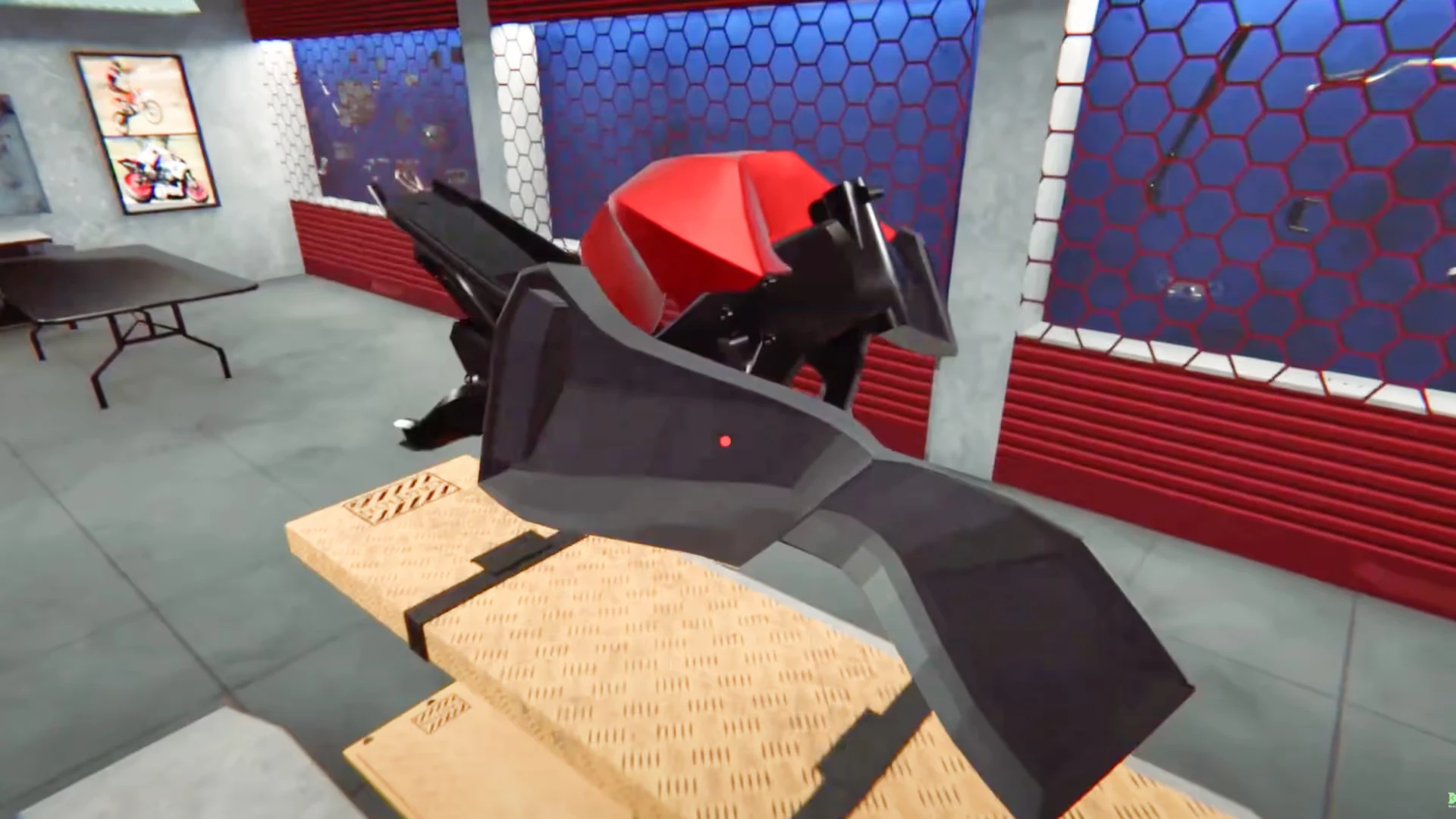
What the demo shows
This demo brings together four VR and MR training simulations. Each one recreates a real job, from detecting a gas leak to servicing a locomotive engine, so trainees can practise in a controlled setting with no risk to people or equipment.
VR places the trainee in a fully virtual workplace. MR blends virtual elements with the real world, so the trainee can work with digital and physical objects at the same time.
Who it is for
Training and L&D heads, plant managers and operations leads who need staff to learn machine handling, maintenance or emergency response without taking real equipment out of service. The examples cover oil and gas, aviation, rail and pharmaceutical manufacturing.
How it works
Gas leak detection, multiplayer VR
DevDen’s multiplayer VR application trains gas operators, technicians and trainers together, even when they are in different locations. Teams solve oil rig and emergency response scenarios as a group.
- Scenarios that mirror real situations on site
- Integration with a learning management system (LMS) to track and assess progress
- A web dashboard where trainers assign and manage modules remotely
- Self-paced exploration with real-time feedback
Jet bridge handling
DevDen’s jet bridge simulation teaches staff to operate a jet bridge in VR or MR, without tying up a real bridge, fuel or space.
- Randomised scenarios that mimic different flights and airport settings
- Tracking of time taken and task completion
- A watch and learn mode, where a bot performs the task from several angles
- Runs on VR, MR and web
Locomotive engine maintenance on HoloLens
The Power Assembly application uses MR and VR on HoloLens to train engineers in locomotive engine maintenance. MR overlays give hands-on practice and reduce the need for physical components during training.
MR training cut learning time by 25% and raised monthly productivity by 30%.
Machine assembly for a pharmaceutical company
Built for a major pharmaceutical company, this VR and MR application trains operators to take a machine apart and put it back together.
- Learn mode with guidance, and an assessment mode with real-time feedback
- Analytics on each operator’s proficiency and training needs
- Runs on a range of devices
Operators complete tasks 25% faster, which reduces downtime.
Where it is used
The same approach works wherever a task is dangerous, expensive to rehearse or needs equipment that cannot be spared: aviation, oil and gas, rail and pharmaceutical plants. Training modules can be built around technical, safety or soft skills, and rolled out across teams and sites.
Talk to our team to see the simulations and discuss which tasks in your plant would suit VR or MR training.
Frequently asked questions
What VR and MR workforce training simulations does this demo include?
The VR and MR workforce training demo brings together four simulations: multiplayer VR gas leak detection, jet bridge handling, locomotive engine maintenance on HoloLens, and machine assembly for a pharmaceutical company. Each one recreates a real job so trainees can practise in a controlled setting with no risk to people or equipment.
How does DevDen's multiplayer VR gas leak detection training work?
DevDen's multiplayer VR gas leak detection training lets gas operators, technicians and trainers train together, even in different locations. Teams solve oil rig and emergency response scenarios as a group. It integrates with a learning management system to track progress, and trainers assign and manage modules remotely from a web dashboard.
How does the VR jet bridge handling simulation train airport staff?
DevDen's jet bridge simulation teaches staff to operate a jet bridge in VR or MR without tying up a real bridge, fuel or space. It uses randomised scenarios that mimic different flights and airport settings, tracks time taken and task completion, and offers a watch and learn mode where a bot performs the task from several angles.
What results has MR training for locomotive engine maintenance delivered?
The Power Assembly application uses MR and VR on HoloLens to train engineers in locomotive engine maintenance. MR overlays give hands-on practice and reduce the need for physical components during training. MR training cut learning time by 25% and raised monthly productivity by 30%.
What is the difference between VR and MR in workforce training?
In workforce training, VR places the trainee in a fully virtual workplace, while MR blends virtual elements with the real world so the trainee can work with digital and physical objects at the same time. Both let operators practise risky or costly tasks, such as machine assembly or emergency response, before doing them for real.
More product demos
 Automotive
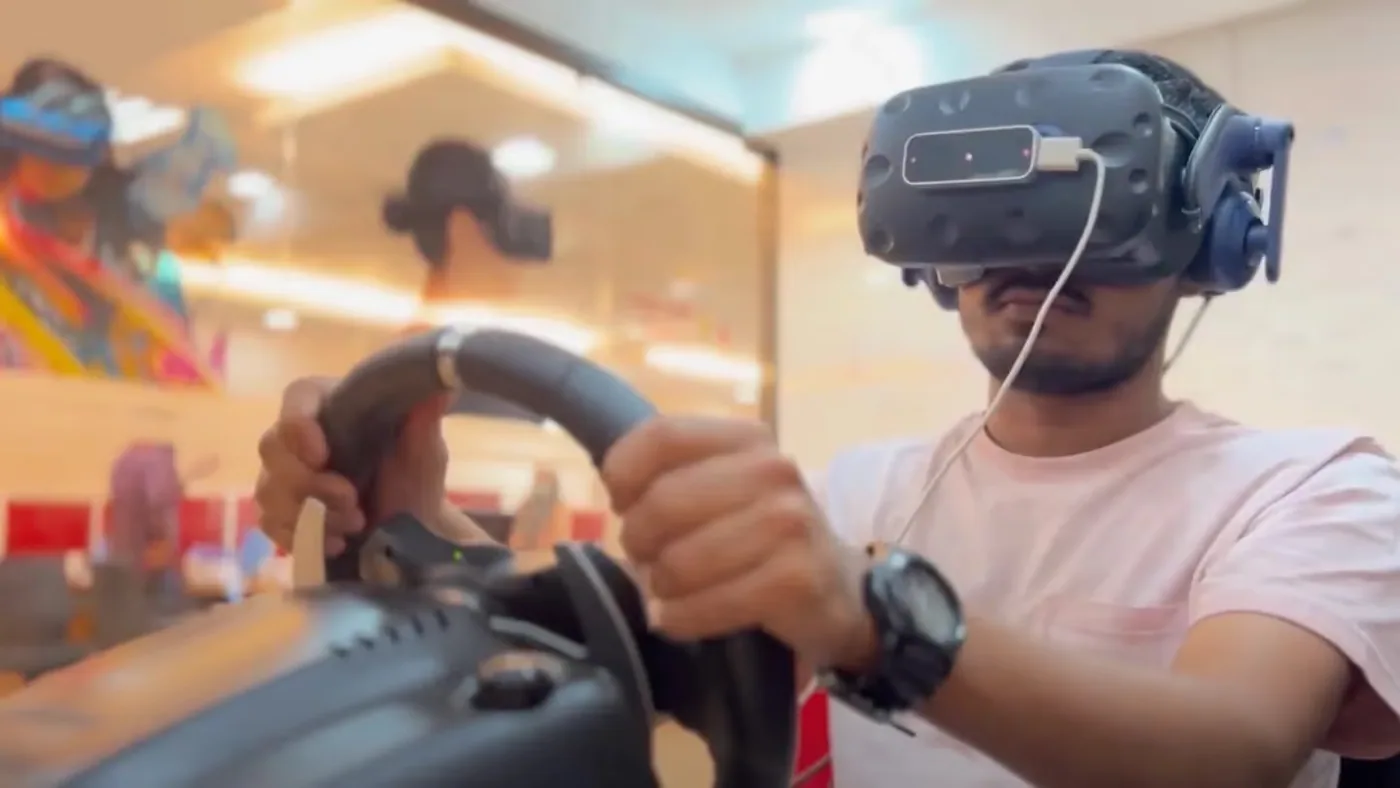
VR forklift training with a real forklift controller
VR forklift training in a virtual warehouse, with a custom controller, HTC VIVE Pro 2, a web portal for trainers, session replays and OSHA-based modules.
Read more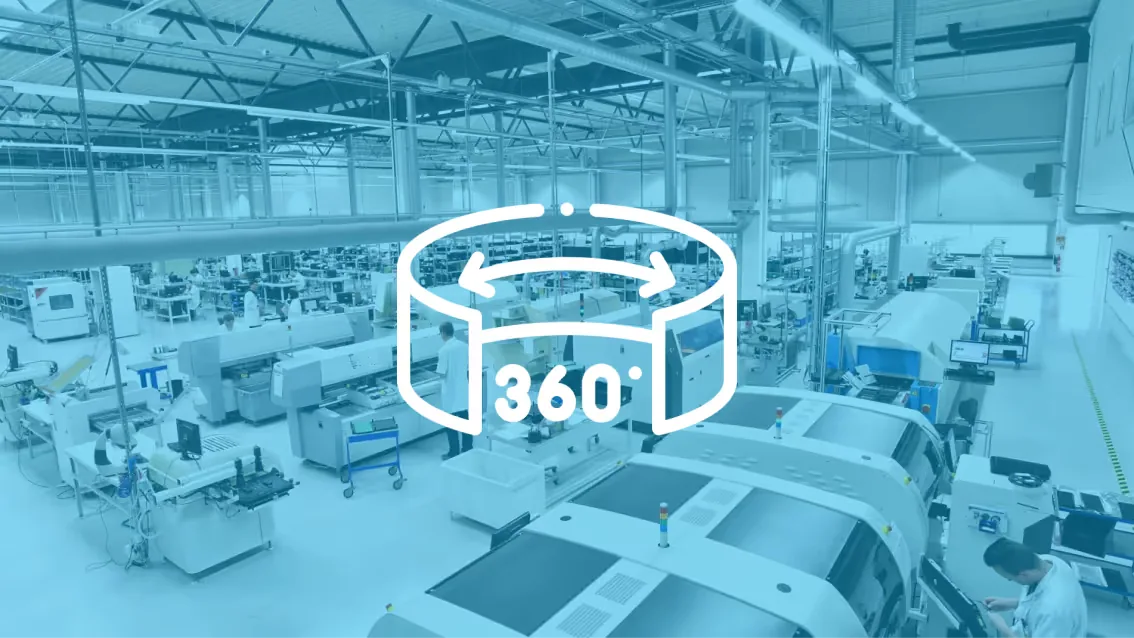 Automotive
360 virtual factory tours and remote inspection
Virtual factory tours and remote inspection with 360° video, 3D digital twins, hotspots and live chat, so buyers and inspectors see your plant remotely.
Read more Automotive
VR machine visualisation for exhibition booths
VR machine visualisation for exhibitions: buyers explore full-scale 3D models of manufacturing machines, built from CAD files, on Oculus Quest or HTC Vive.
Read more