


What the demo shows
Anamorphic content on an LED screen. The visuals are built so that, from the right viewpoint, objects appear to leap out of the screen: a car bursting through the wall, or a product floating in mid-air.
Who it is for
Brands and exhibition managers competing for attention in busy trade show halls, who want people to stop, remember the brand and share what they saw.
How it works
- Fine-pitch LEDs: high-resolution content on screens with pixel pitches as low as 0.9mm. Curved LED screens strengthen the effect.
- Indoor or outdoor: displays with high IP ratings withstand harsh weather and run for long periods.
- New content for new campaigns: the creative can be changed for each campaign on the same screen.
What to plan for
The 3D effect works best from a specific sweet spot, so screen placement and visitor flow need careful planning. Production takes specialist hardware, creative skills and computing power, so the initial cost can be higher than standard screen content.
How to measure it
- Audience engagement, through foot traffic and dwell time
- Social media reach, as people film and share the display
- Brand recall, through post-event surveys and customer feedback
Where it is used
Trade shows, exhibitions and 3D billboards. Talk to our team about anamorphic content for your stand.
Frequently asked questions
What is anamorphic 3D content for show floor LED screens?
Anamorphic 3D content is visual content built so that, from the right viewpoint, objects appear to leap out of an LED screen, such as a car bursting through the wall or a product floating in mid-air. On a trade show floor it helps a stand stop people in a crowded hall and get them to remember and share the brand.
Which LED screens work best for anamorphic 3D content?
Anamorphic 3D content works well on fine-pitch LED screens with pixel pitches as low as 0.9mm, which show high-resolution content. Curved LED screens strengthen the effect. Displays with high IP ratings can also run anamorphic content outdoors, where they withstand harsh weather and run for long periods.
What should exhibitors plan for with anamorphic LED content?
Exhibitors using anamorphic LED content should plan screen placement and visitor flow carefully, because the 3D effect works best from a specific sweet spot. Production takes specialist hardware, creative skills and computing power, so the initial cost can be higher than standard screen content.
How do you measure the success of an anamorphic LED display at a trade show?
The success of an anamorphic LED display at a trade show is measured in three ways: audience engagement through foot traffic and dwell time, social media reach as people film and share the display, and brand recall through post-event surveys and customer feedback.
Can anamorphic content on an LED screen be changed for new campaigns?
Anamorphic content on an LED screen can be changed for each new campaign, so the same screen keeps showing fresh creative. It is used at trade shows, exhibitions and on 3D billboards, indoors or outdoors. Brands can talk to the Metaverse911 team about anamorphic content for their stand.
More product demos
 Events
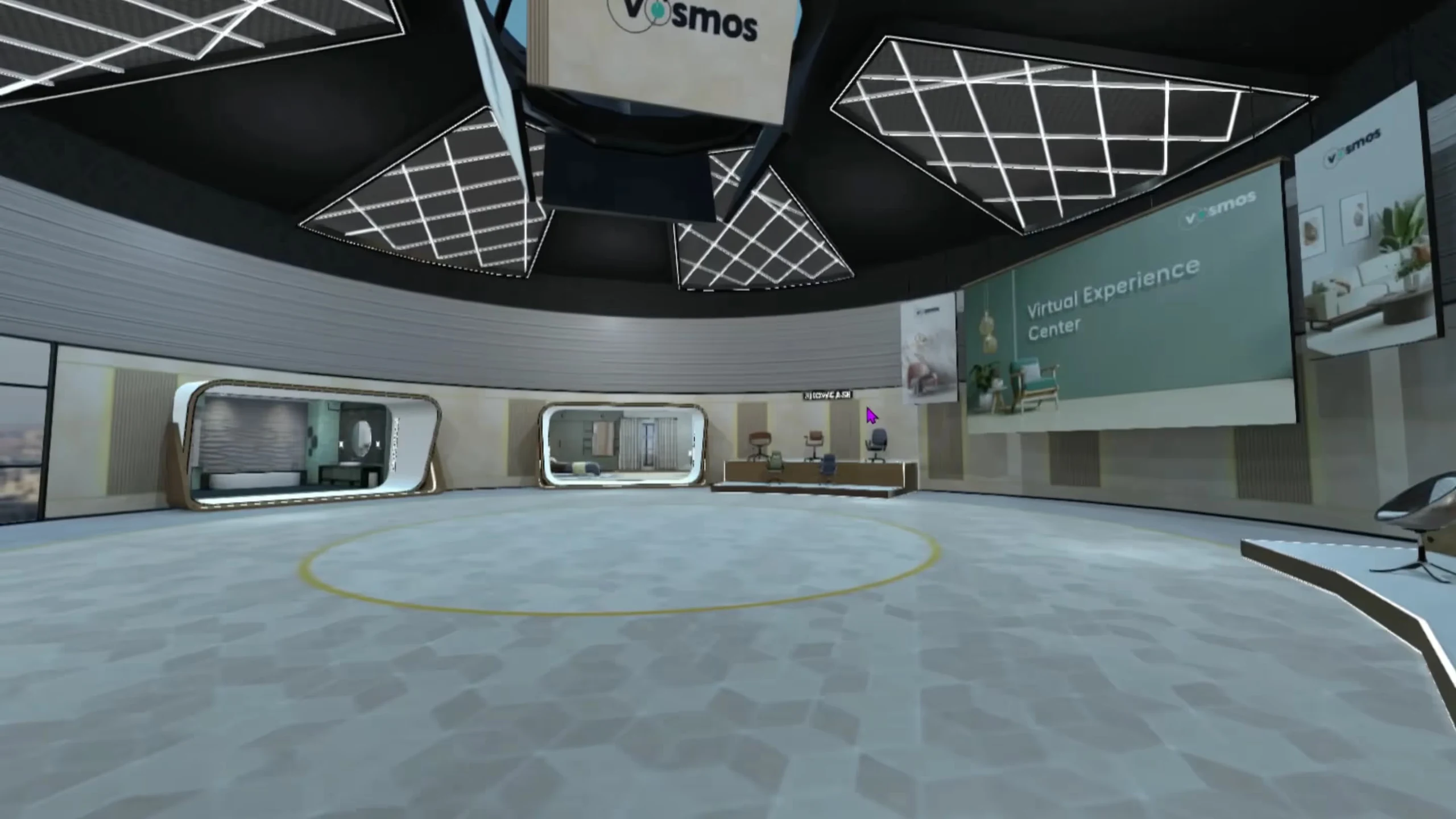
VR showroom for your product catalogue at exhibitions
A VR showroom for exhibition booths: visitors explore your 3D product models in a branded virtual space on a VR headset, so a small stand shows a full range.
Read more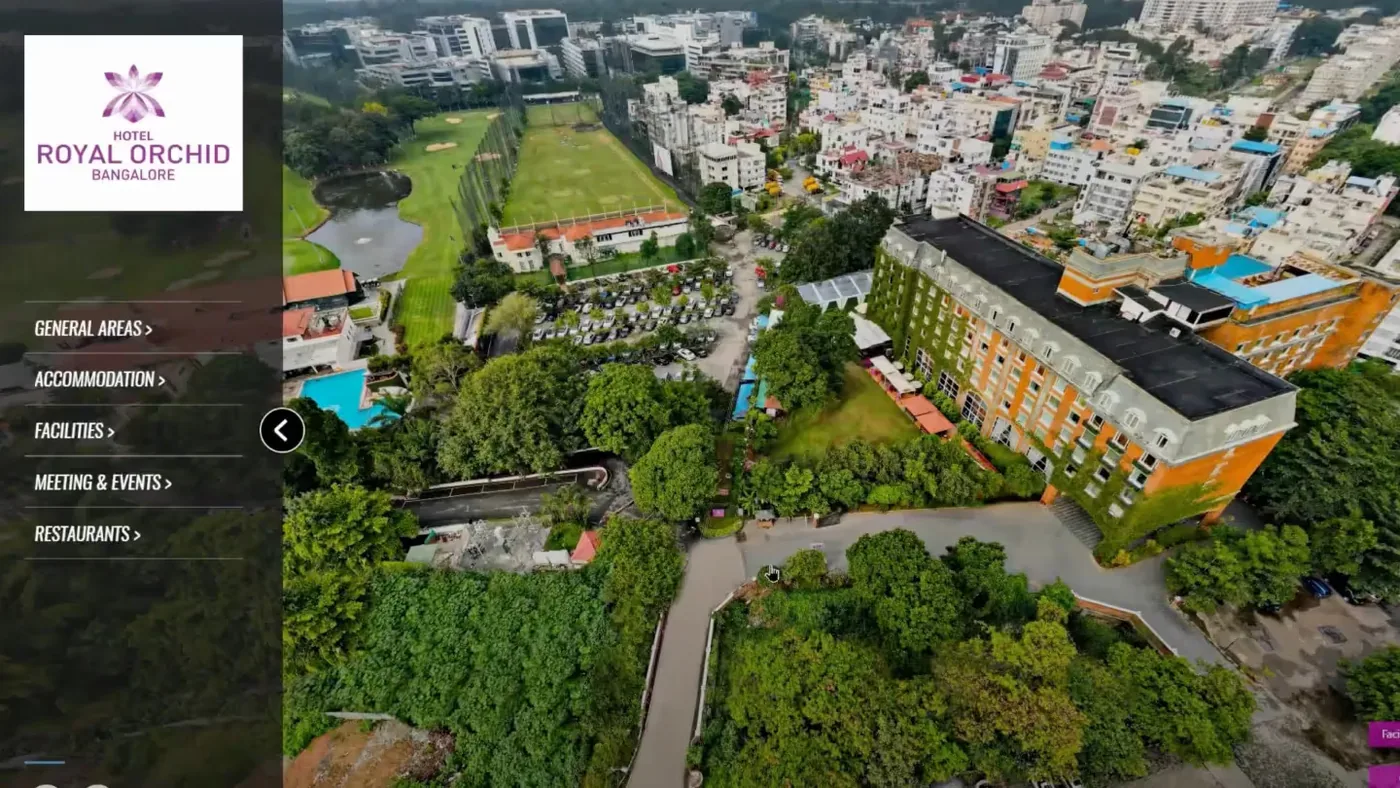 Events
AI venue visualiser: VR tours of a hotel's digital twin
An AI venue visualiser in VR: guests and planners tour a hotel's digital twin, plan event layouts in 3D and ask an AI chatbot. Used by Royal Orchid Hotels.
Read more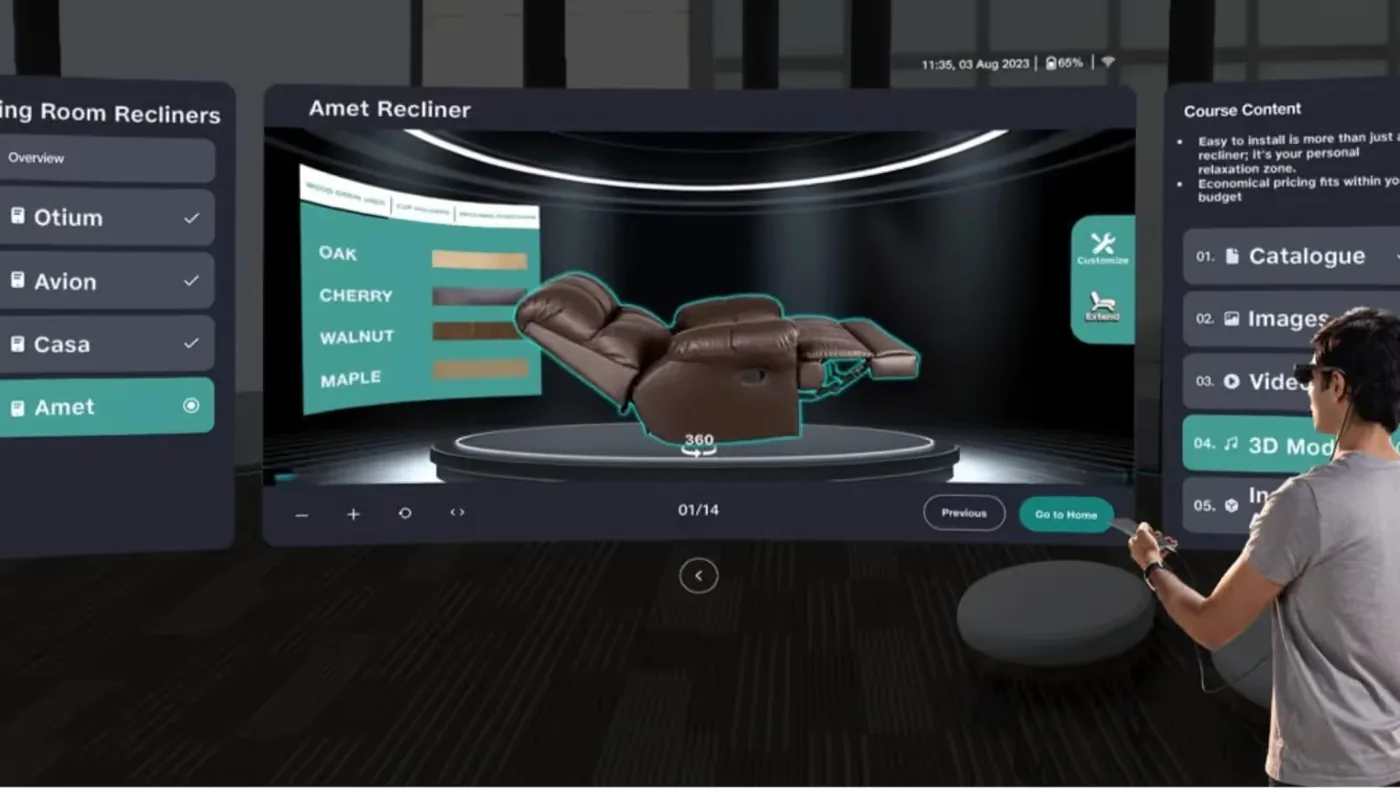 Events
Jio Glass recliner showcase for Little Nap Recliners
A smart glass product demo on Enterprise Jio Glass: users explore and customise 3D recliners with hotspots. Built for Little Nap Recliners at exhibitions.
Read more