


What it is
Augmented reality (AR) is technology that overlays digital content, such as images, video or information, onto your view of the real world. The physical surroundings stay in view, and the digital elements appear within them.
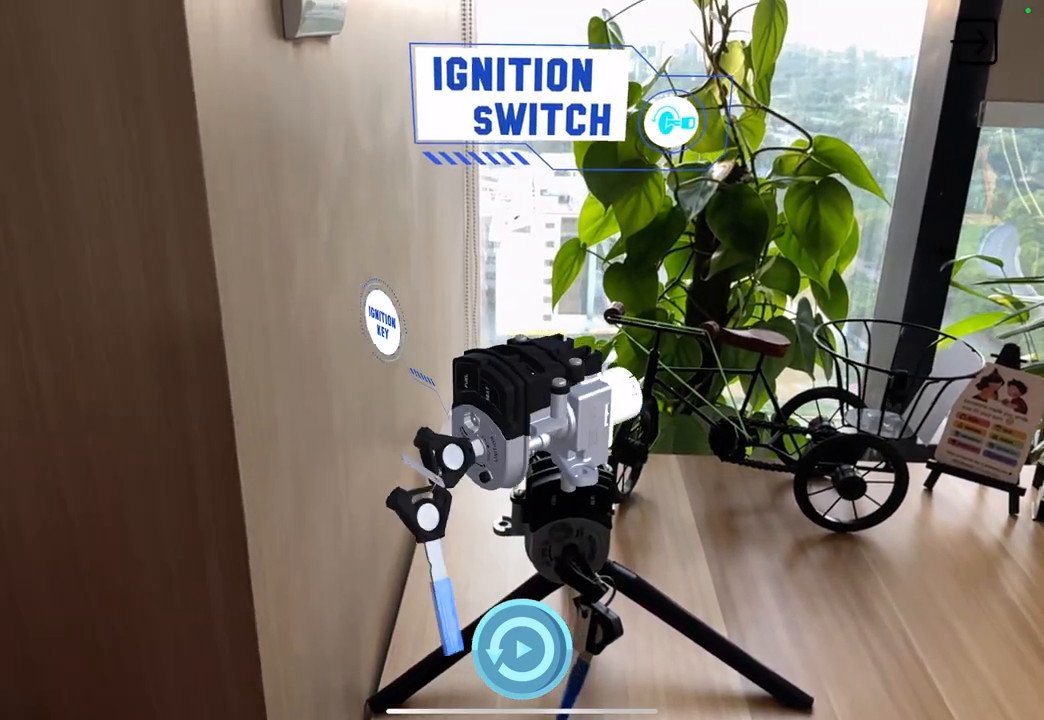
Image source: Forbes
How it works
A device's camera and sensors read the surroundings, and software places computer-generated content in the right position on screen. AR runs on smartphones, tablets and AR glasses, so many users can try it on a device they already own.
For a business, AR can:
- Make products and data easier to understand by showing them visually
- Speed up tasks such as assembly and maintenance with on-screen guidance
- Support remote collaboration across locations
- Create interactive brand and marketing experiences
Where it is used in industry
- Manufacturing: AR-assisted assembly, maintenance and training to reduce errors on the factory floor.
- Remote assistance: experts guide on-site staff by overlaying instructions onto the real environment.
- Healthcare: medical training, surgery planning and patient care with real-time data visualisation.
- Retail: in-store navigation, virtual try-ons and interactive product displays.
- Marketing: AR advertisements and campaigns.
- Automotive: heads-up displays, navigation overlays and real-time traffic information.
- Real estate: virtual property tours and interactive floor plans.
- Education and tourism: interactive textbooks, virtual field trips and guided travel apps.
- Gaming: games that blend virtual elements with the real world.
Augmented reality in healthcare. Image source: UConn Health
Augmented reality in retail. Image source: Threekit
How we use it
Our AR product visualisation shows your product at actual size on a phone or tablet, at an exhibition booth or in a sales meeting. Talk to our team about the products you want to show in AR.
Frequently asked questions
What is augmented reality (AR)?
Augmented reality (AR) is technology that overlays digital content, such as images, video or information, onto your view of the real world. The physical surroundings stay in view, and the digital elements appear within them. AR runs on smartphones, tablets and AR glasses, so many users can try it on a device they already own.
How does augmented reality work on phones and tablets?
Augmented reality works by using a device's camera and sensors to read the surroundings, while software places computer-generated content in the right position on screen. Because AR runs on everyday smartphones and tablets as well as AR glasses, businesses can reach many users without asking them to buy special hardware.
Which industries use augmented reality?
Augmented reality is used in manufacturing for assisted assembly, maintenance and training, in remote assistance, and in healthcare for medical training and surgery planning. Retail uses AR for in-store navigation, virtual try-ons and product displays, and it also appears in marketing, automotive heads-up displays, real estate tours, education, tourism and gaming.
What business benefits does augmented reality offer?
Augmented reality helps businesses make products and data easier to understand by showing them visually. It can speed up tasks such as assembly and maintenance with on-screen guidance, support remote collaboration across locations and create interactive brand and marketing experiences. In manufacturing, AR-assisted assembly, maintenance and training help reduce errors on the factory floor.
How does Metaverse911 use augmented reality for product visualisation?
Metaverse911 uses augmented reality for product visualisation, showing a product at actual size on a phone or tablet. Businesses use it at exhibition booths and in sales meetings, so buyers can see the product in the real space around them without the physical item being there. Companies can talk to the Metaverse911 team about the products they want to show in AR.
More technology
 Technology
What is 3D modelling? A plain guide for business
What 3D modelling is, how it works and where industry uses it, from product design and engineering to AR and VR, plus how we use 3D models in our work.
Read more Technology
What is artificial intelligence? A plain guide for business
What artificial intelligence is, how machine learning, language processing and computer vision work, where industry uses AI, and how we build it into our work.
Read more Technology
What is assisted reality? A plain guide for business
What assisted reality is, how hands-free smart glasses such as RealWear work, and where it helps in manufacturing, field service and remote assistance.
Read more