


What it is
Mixed reality (MR) merges the physical and digital worlds into one interactive experience. Virtual reality replaces your surroundings with a simulated environment, and augmented reality overlays digital elements onto the real world. Mixed reality goes a step further: virtual and real elements sit together and respond to each other.
How it works
MR combines advanced hardware, sensors and software. Devices such as Microsoft HoloLens, VR headsets and AR glasses map the space around the user and place 3D content within it. The user can then interact with that content naturally, by moving around it and using their hands.
For a business, MR can:
- Make digital content easier and more natural to work with
- Provide realistic simulations for training and design
- Let teams in different places collaborate on the same 3D model
- Improve precision and reduce errors in fields such as manufacturing, architecture and medicine
Where it is used in industry
- Training and simulation: realistic simulations for industries such as aviation, healthcare and defence.
- Remote assistance and maintenance: hands-free guidance and interactive overlays for equipment maintenance and repairs.
- Virtual collaboration: shared virtual spaces for working on 3D models together.
- Workspaces: digital elements built into physical workspaces.
- Architecture and design: viewing and interacting with 3D models in real time.
- Medical visualisation: viewing complex medical data and planning surgery.
- Retail: virtual try-ons, product visualisation and interactive shopping.
- Education, tourism and gaming: virtual field trips, destination previews and interactive games.
How we use it
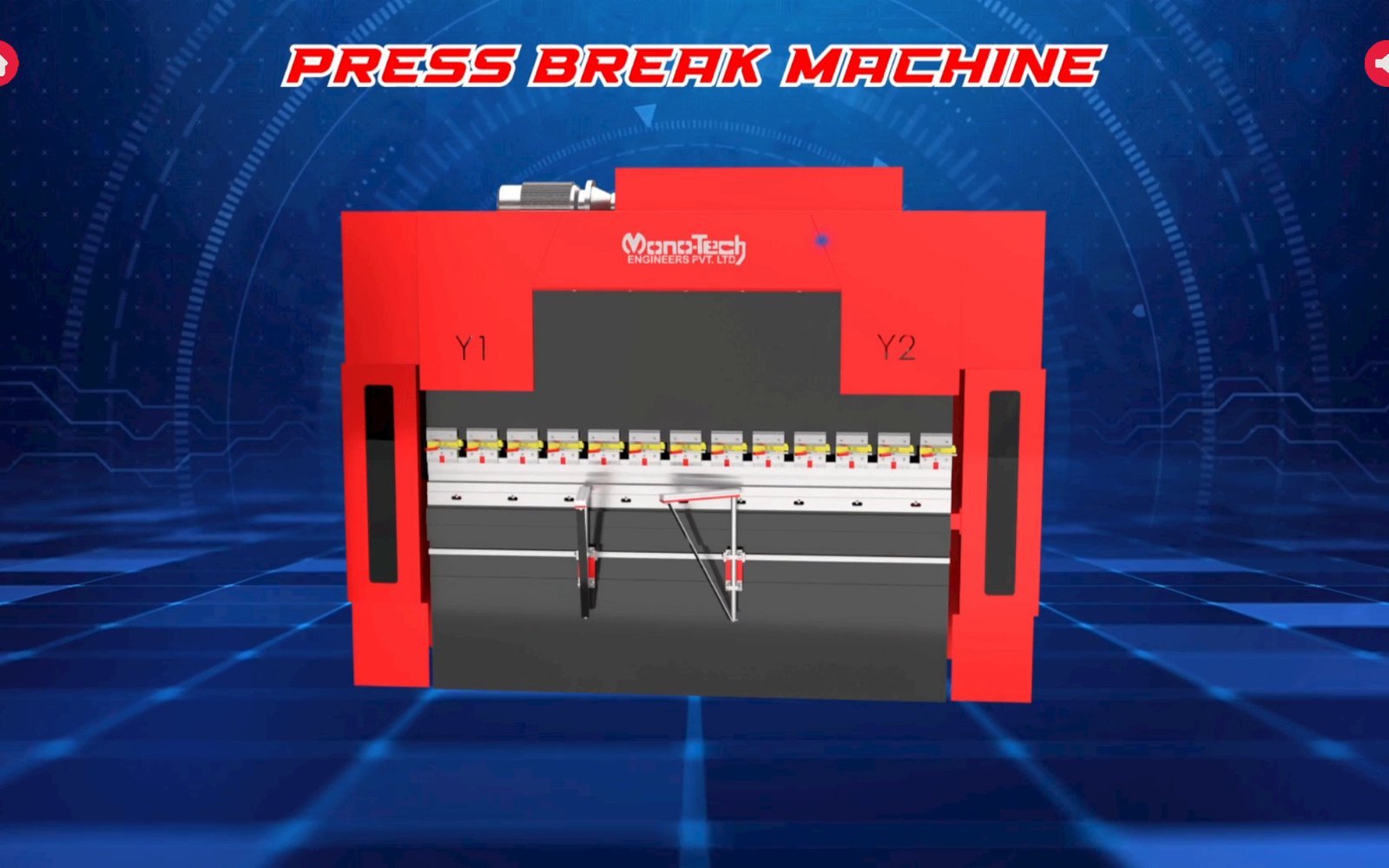
Our VR and MR machine demos let buyers walk around a full-size machine in a headset, and our AI mixed reality training gives employees soft-skills practice with AI characters. Talk to our team about what you want to show or train.
Frequently asked questions
What is mixed reality (MR)?
Mixed reality (MR) merges the physical and digital worlds into one interactive experience. Interactive 3D content is placed in the room around you, so you can walk around a virtual machine or model and work with it as if it were there. Virtual and real elements sit together and respond to each other.
How is mixed reality different from VR and AR?
Virtual reality replaces your surroundings with a simulated environment, and augmented reality overlays digital elements onto the real world. Mixed reality goes a step further: virtual and real elements sit together and respond to each other, so users can interact with 3D content in their real space by moving around it and using their hands.
How does Microsoft HoloLens create mixed reality?
Devices such as Microsoft HoloLens create mixed reality by combining hardware, sensors and software to map the space around the user and place 3D content within it. The user then interacts with that content naturally, by moving around it and using their hands. VR headsets and AR glasses can also deliver mixed reality.
Which industries use mixed reality?
Industries that use mixed reality include aviation, healthcare and defence for training and simulation, maintenance teams for hands-free remote assistance, architecture and design for real-time 3D models, and medicine for visualising data and planning surgery. Retail, education, tourism and gaming also use MR for try-ons, virtual field trips and interactive games.
How does Metaverse911 use mixed reality for businesses?
Metaverse911 uses mixed reality in two main ways. Its VR and MR machine demos let buyers walk around a full-size machine in a headset, and its AI mixed reality training gives employees soft-skills practice with AI characters. Businesses can talk to the Metaverse911 team about what they want to show or train.
More technology
 Technology
What is 3D modelling? A plain guide for business
What 3D modelling is, how it works and where industry uses it, from product design and engineering to AR and VR, plus how we use 3D models in our work.
Read more Technology
What is artificial intelligence? A plain guide for business
What artificial intelligence is, how machine learning, language processing and computer vision work, where industry uses AI, and how we build it into our work.
Read more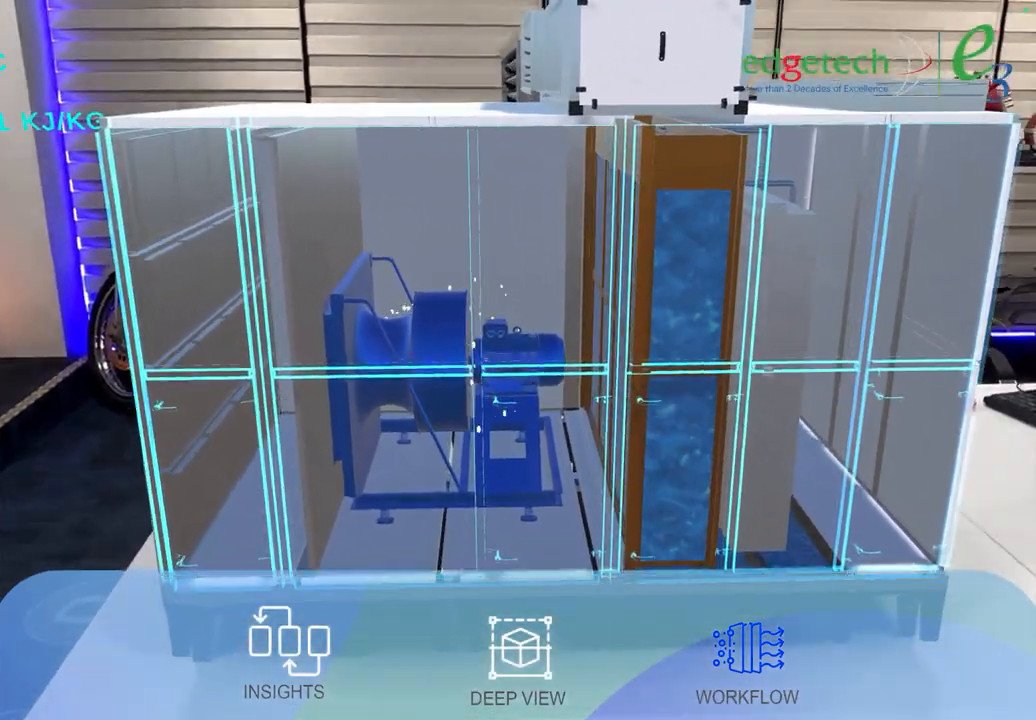 Technology
What is assisted reality? A plain guide for business
What assisted reality is, how hands-free smart glasses such as RealWear work, and where it helps in manufacturing, field service and remote assistance.
Read more