

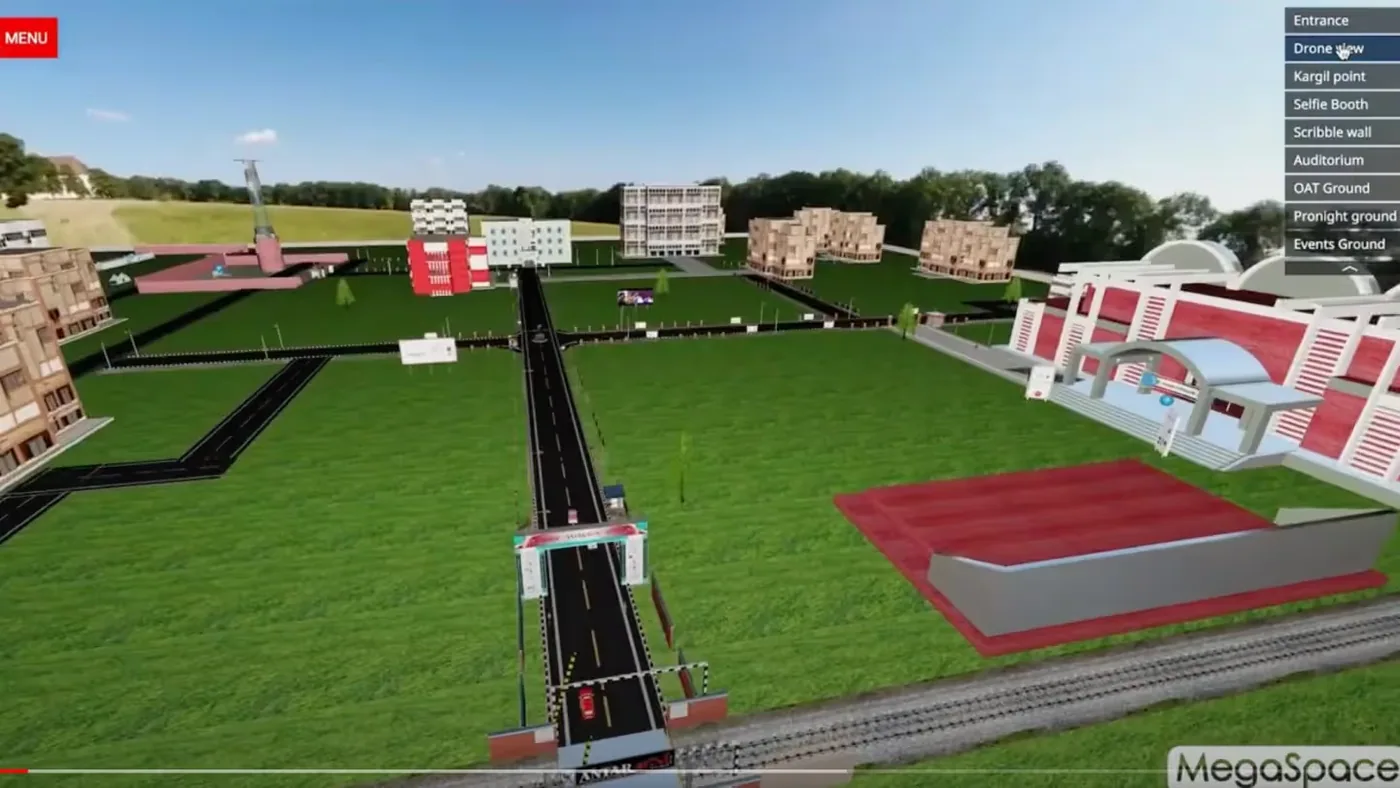
What the demo shows
A virtual campus tour. Visitors arrive in a custom 3D lobby, then move through interactive replicas of key facilities such as auditoriums, libraries and lecture halls. An AI avatar guides them and answers questions in real time.
Who it is for
Admissions and international recruitment teams at universities and colleges who want to reach students in other countries, run open days across time zones and cut the cost of physical campus tours.
How it works
3D campus spaces
- A branded 3D lobby to start the tour
- Replicas of real facilities, designed to reflect the institution’s architecture
- Multiple rooms that set the order of the tour
AI guides and personal content
AI avatars lead visitors round and answer questions. Content and navigation adjust to each visitor’s preferences and what they have already looked at.
Talking to the university
- Custom registration forms for prospective students
- Live text, audio and video chat with university representatives
- One-to-one meetings booked with faculty or admissions officers
- Virtual booths with brochures and videos for departments, programmes or sponsors, for group or one-to-one conversations
- Attendee groups, and follow-up through social media after the event
Reporting
Live statistics on engagement, webinar views and booth visits, plus detailed reports after each event, show what worked and where to improve.
Where it is used
- Year-round campus tours for applicants
- Virtual open days with department visits, webinars and Q&A sessions with faculty and students
- Large recruitment events and education fairs
Industry example: University of Sydney
The University of Sydney ran a virtual education fair on the ibentos platform to reach students worldwide without travel. It used 3D environments modelled on its campus, webinars, live Q&A, text, audio and video chat, and real-time analytics. The university reported broader access for students, lower travel and accommodation costs, higher engagement and analytics that helped refine its recruitment approach.
Talk to our team to see a virtual campus tour.
Frequently asked questions
What is a virtual university tour in 3D?
A virtual university tour lets prospective students walk through a 3D replica of a campus without travelling. Visitors arrive in a custom 3D lobby, then move through interactive replicas of key facilities such as auditoriums, libraries and lecture halls. An AI avatar guides them and answers questions in real time, and they can talk to admissions staff live.
Who uses virtual campus tours and virtual open days?
Virtual campus tours and open days are built for admissions and international recruitment teams at universities and colleges. They help these teams reach students in other countries, run open days across time zones and cut the cost of physical campus tours. They are used for year-round applicant tours, virtual open days, and large recruitment events and education fairs.
How can prospective students talk to the university during a virtual open day?
During a virtual open day, prospective students register through custom forms, then use live text, audio and video chat with university representatives. They can book one-to-one meetings with faculty or admissions officers and visit virtual booths with brochures and videos for departments, programmes or sponsors. Attendee groups and social media follow-up continue the conversation after the event.
What reporting does a virtual university open day provide?
A virtual university open day provides live statistics on engagement, webinar views and booth visits during the event, plus detailed reports after each event. These show the admissions team what worked and where to improve, so later campus tours and recruitment events can be refined using real data on how prospective students engaged.
How did the University of Sydney use a virtual education fair?
The University of Sydney ran a virtual education fair on the ibentos platform to reach students worldwide without travel. It used 3D environments modelled on its campus, webinars, live Q&A, chat and real-time analytics. The university reported broader access for students, lower travel and accommodation costs, higher engagement and analytics that helped refine its recruitment approach.
More product demos
 Education
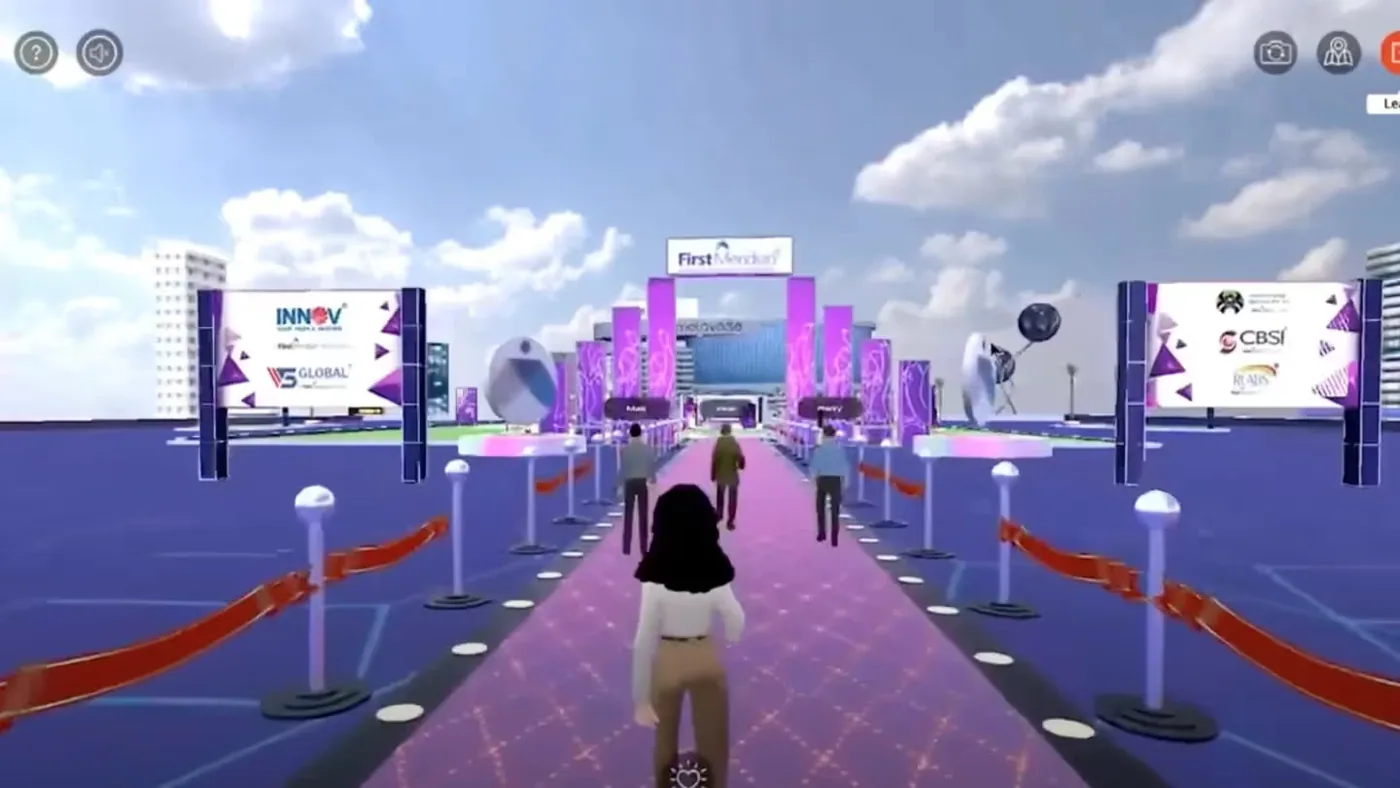
Metaverse admissions fairs and placement drives
Metaverse admissions fairs and placement drives on MegaSpace.AI by Ibentos: virtual campuses, AI avatars, one-to-one lounges and dashboards for institutions.
Read more Education
Metaverse convocations for universities, as hosted by BITS Pilani
Metaverse convocations on MegaSpace.AI: graduates, families and guests attend as 3D avatars in a virtual campus. BITS Pilani hosted 6,600+ attendees this way.
Read more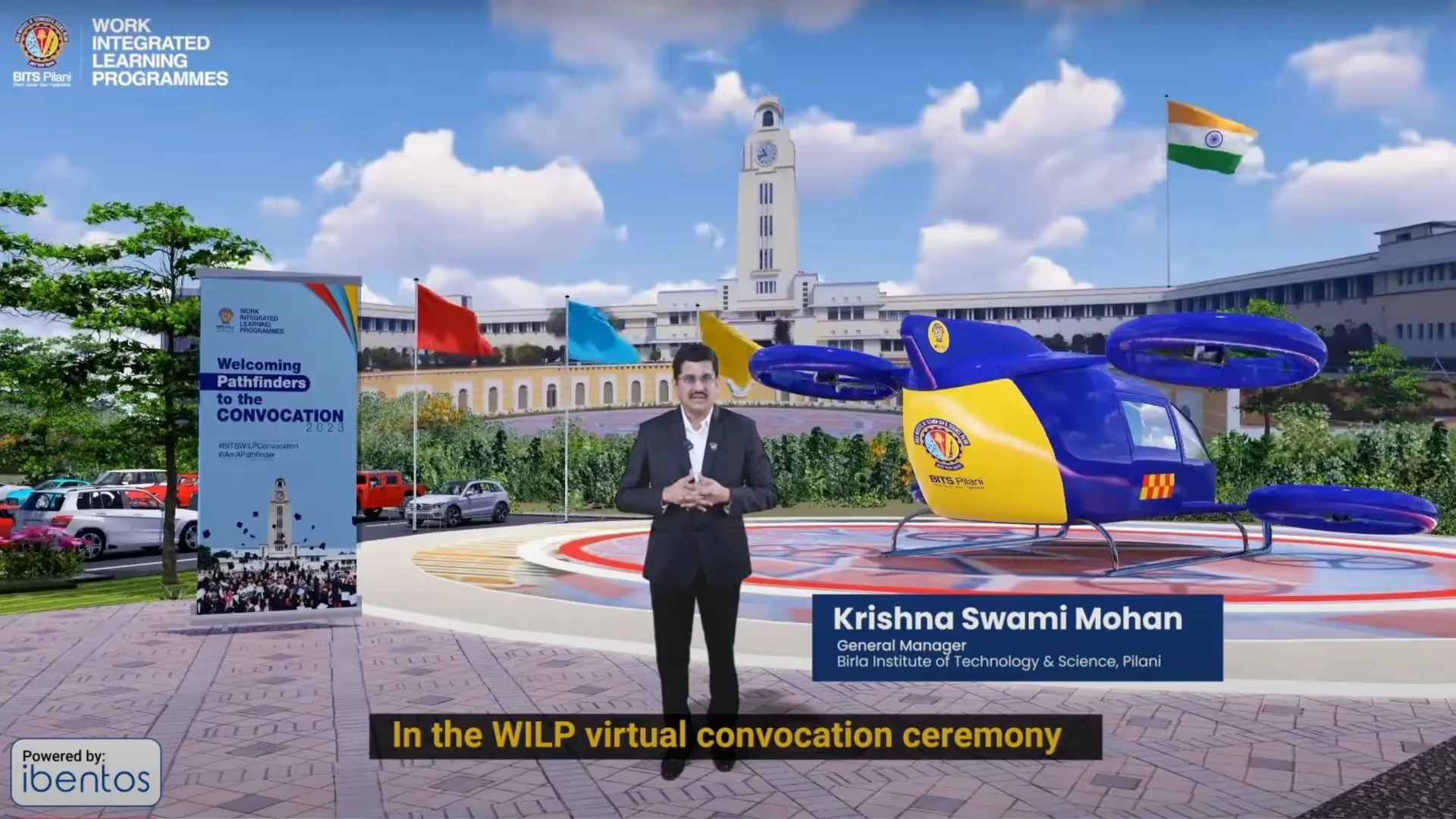 Education
MegaSpace.AI metaverse for classes, training, events and banking
MegaSpace.AI, a no-code metaverse platform for education, HR training, events and banking, as used for the BITS convocation and B2B meetings at GITM 2024.
Read more