

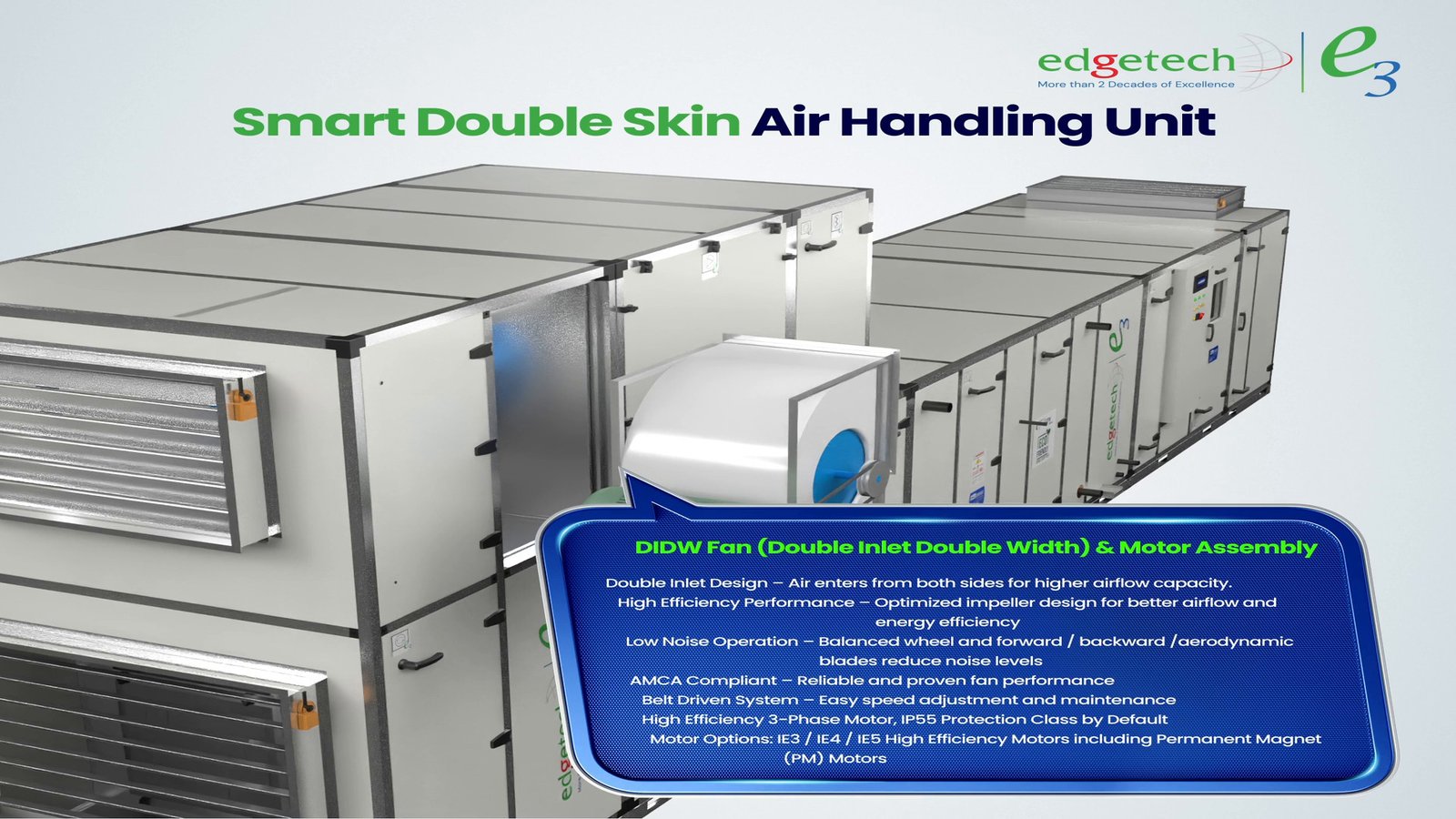
The problem: you cannot experiment on a running plant
Manufacturers want higher production efficiency, less downtime and a more reliable supply chain. But testing changes on live equipment or processes is risky and disruptive, and problems often show up only after a machine has stopped.
The idea: a live virtual copy
A digital twin is a virtual replica or simulation of a physical product, process or system. Because it mirrors the real thing, you can monitor, analyse and optimise it in real time without disrupting the actual operation. Digital twins of manufacturing processes and equipment help raise production efficiency, reduce downtime and improve supply chain management.
Examples from industry
- Unilever began digital twinning its production with a 2019 pilot at a factory in Brazil, with the goal of connecting 300 plants around the world that make soap and other consumer staples. That saved the company US$2.8 million.
- Bridgestone is developing a commercial smart tyre that uses a digital twin to predict how long tyres will last and when they need replacing.
- BMW is using digital twin technology to create a virtual factory, giving it insight to improve workflows and fine-tune operations.
Four practical uses
We discussed these uses in a LinkedIn event, "Exploring Digital Twin Technology Solutions for Industry 4.0", with Parso.ai.
1. Predictive maintenance
A digital twin of a machine, vehicle or piece of industrial equipment is continuously updated with real-time data from sensors on the real asset. This allows:
- Real-time monitoring: spot deviations from normal operation before they cause downtime.
- Anomaly detection: machine learning finds patterns in the twin's data and predicts when maintenance is needed.
- Better maintenance scheduling: plan maintenance during planned downtime, which cuts unplanned stoppages.
2. Supply chain management
A twin of the whole supply chain network gives:
- End-to-end visibility of goods in transit, inventory levels and production.
- Risk assessment: predict delays or shortages and prepare contingency plans.
- Demand forecasting: plan inventory more accurately and avoid overstocking or stockouts.
3. Training
Twins provide realistic simulations for industries such as healthcare, aviation and manufacturing. Trainees practise on a virtual copy of a complex system without risk, face realistic scenarios that build problem-solving skills, and get new scenarios as the twin is updated.
4. Employee onboarding
New employees can take a virtual tour of the workplace, learn its processes and layout through interactive guides, and complete training simulations for their role. Exploring the virtual workspace before their first day makes the transition smoother.
How to apply it
Pick one use with a clear cost attached, such as unplanned downtime on a critical line, and build the twin around it. Before you start, plan for data security, the work needed to integrate with your existing systems, and the resources the project will need.
Parso, the platform discussed at our event, is built on the experience of SEKAI, which serves clients such as Siemens Energy, Hitachi and Shemaroo. SEKAI developed the core building blocks behind Parso and holds patents for several of its features.
Next step
If you want to see live machine data on a 3D model or explore a digital twin for your plant, talk to our team about our IoT simulations.
First published on the Metaverse911 blog.
Frequently asked questions
What is a digital twin in manufacturing?
A digital twin is a live virtual replica or simulation of a physical product, process or system, such as a machine or a whole plant. Because it mirrors the real thing, manufacturers can monitor, analyse and optimise it in real time without disrupting actual operations. Digital twins help raise production efficiency, reduce downtime and improve supply chain management.
How does a digital twin help with predictive maintenance?
A digital twin helps with predictive maintenance by being continuously updated with real-time data from sensors on the real machine or equipment. This allows real-time monitoring to spot deviations before they cause downtime, machine learning anomaly detection to predict when maintenance is needed, and better scheduling so maintenance happens during planned downtime rather than as unplanned stoppages.
How can a digital twin improve supply chain management?
A digital twin of the whole supply chain network gives end-to-end visibility of goods in transit, inventory levels and production. It supports risk assessment by predicting delays or shortages so teams can prepare contingency plans, and it improves demand forecasting so companies can plan inventory more accurately and avoid both overstocking and stockouts.
Which companies use digital twin technology in their operations?
Several large companies use digital twin technology. Unilever began digital twinning its production with a 2019 pilot at a factory in Brazil, aiming to connect 300 plants, which saved US$2.8 million. Bridgestone is developing a smart tyre that uses a digital twin to predict tyre life, and BMW is using digital twins to create a virtual factory and fine-tune operations.
How should a manufacturer start a digital twin project?
A manufacturer should start a digital twin project by picking one use with a clear cost attached, such as unplanned downtime on a critical line, and building the twin around it. Before starting, plan for data security, the work needed to integrate with existing systems, and the resources the project will need. Metaverse911 offers IoT simulations that show live machine data on a 3D model.
More from the blog
 Blog · 3D content
Solving 3D asset optimisation for AR, VR and digital twin projects
Heavy 3D models slow down AR, VR and digital twin projects. How the Convrse.ai 3D Optimizer cuts file size by up to 80% while keeping visual quality.
Read the post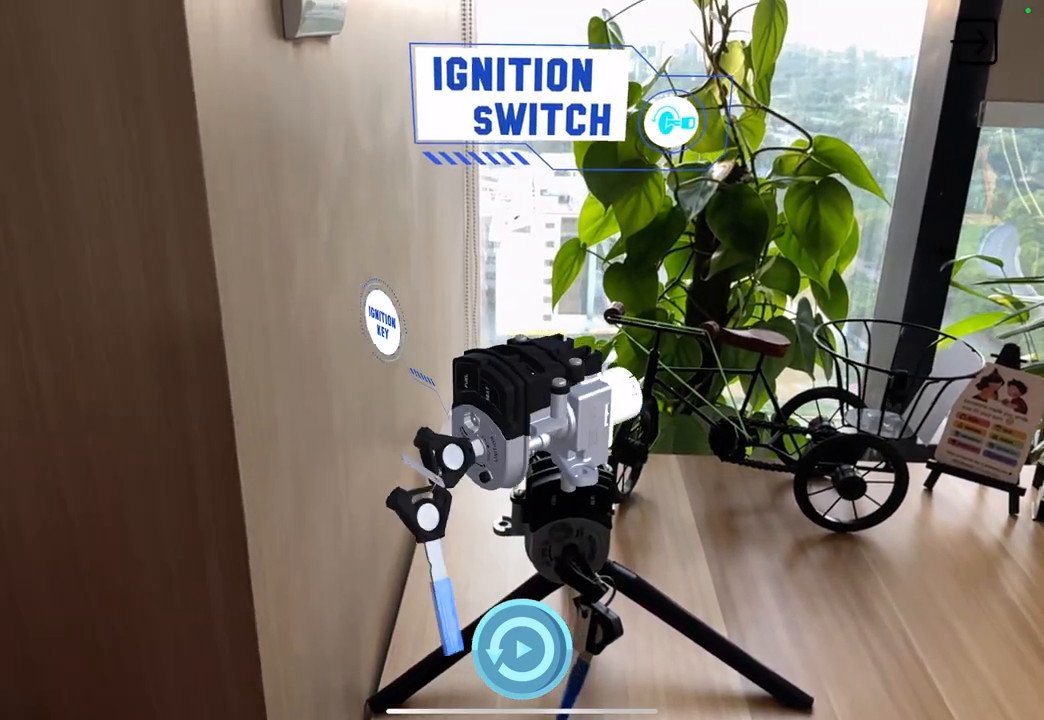 Blog · AR in industry
Raising frontline productivity with AR smart glasses and digital work instructions
How AR smart glasses and digital work instructions help frontline workers cut errors, drop paper checklists and keep the know-how of retiring experts.
Read the post Blog · Insights
Seven reasons to train your employees with virtual reality
Seven practical reasons to train employees in VR, from safer practice of high-risk tasks to lower travel costs, and why it need not cost $100,000 to start.
Read the post