

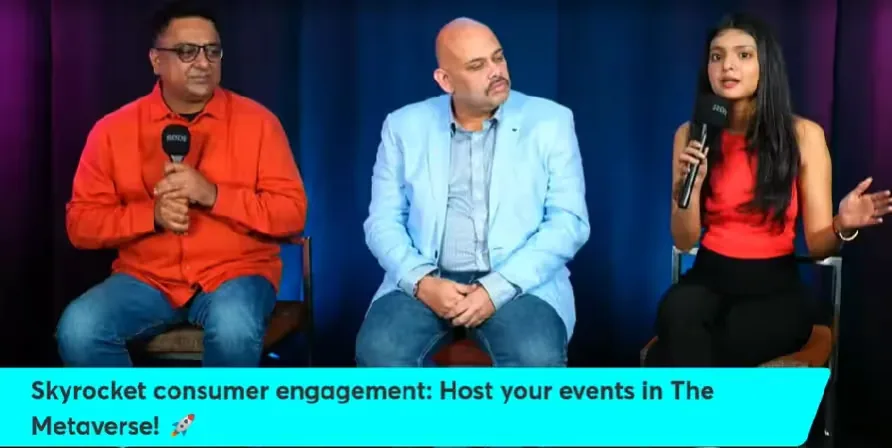
We discussed virtual events in a LinkedIn event, "Skyrocket Consumer Engagement: Host Your Next Event in The Metaverse", with Ashish Minocha, CBO of MAI Labs. The focus was on how virtual events can tell a brand's story and build loyal communities.
The problem: digital brand characters still feel distant
When virtual influencers first appeared about seven years ago, few CMOs believed a character that exists only online could connect with an audience. Today some have millions of followers, mostly Gen Z and Gen Alpha, and have won brand deals with names such as BMW and Balenciaga.
But they still are not human enough. Their content is 2D: pre-recorded videos and pre-shot campaigns. Audiences watch them, but cannot really interact with them.
The idea: live humanoid avatars in realistic virtual spaces
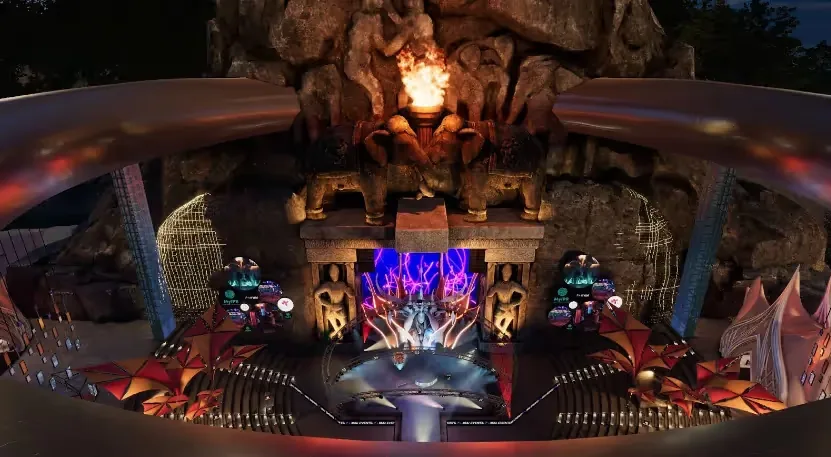
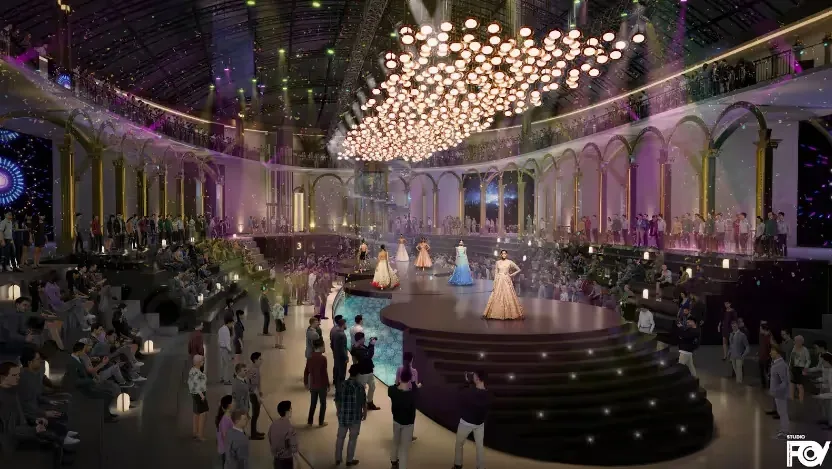
MAI Labs has built Mayaaverse, a highly realistic virtual world with spaces such as the Hall of Eternity stage, the Fashion Arena and the House of People.
What sets it apart is its humanoid avatars. They are interactive, lifelike and backed by voice artists, so a real person speaks through them in real time. That human touch creates a much stronger sense of presence than a pre-recorded virtual influencer. The spaces can be customised for a brand or industry.
For a brand, this opens two clear opportunities:
- Interactive storytelling: because a person powers it, the avatar can show product features, answer questions and build interest in new products.
- Virtual product launches: the avatar can host a launch in a detailed event space, so participants feel present at a carefully designed event.
Three event ideas
1. A thrifting event
Gen Z and Gen Alpha are among the most sustainability-minded audiences, and thrift stores have grown fast in recent years. A thrifting event in a virtual world could include fashion shows, ramp walks and Q&A sessions led by humanoid avatars, with sponsors woven in. Visitors interact with the avatars and explore the brand's clothing.
2. Cultural and entertainment events
Culture can add depth to a brand's story. Dream Forest Langkawi, a theme park in Malaysia, brings mythological tales to life with colourful shows, music and narration. The same idea works in a virtual world: humanoid avatars play characters from legend and act out a full story, voiced by human artists, while visitors interact with the environment.
3. Influencer meet-ups
Events such as Comic Con and YouTube Fan Fests succeed because fans want to meet the people they follow. A virtual meet-and-greet lets fans meet an influencer one to one. Because the fan base already exists, attendance is easier to build, and the brand gains a deeper emotional connection and, over time, a community.
What brands gain from virtual events
- Community building: attendees meet like-minded people, join discussions and take part in workshops.
- Engagement: attendees interact with products up close in an immersive setting that leaves a lasting impression.
- Visibility: few physical limits on how the brand is presented.
- Employee engagement: team-building games, challenges and virtual escape rooms.
- Product launches and showcases: a virtual showroom, exhibition space or interactive display designed around the product.
- Conferences and networking: virtual lounges and meeting spaces for more natural networking.
- Avatar interaction: well-designed avatars can represent the brand and deliver its messages.
How to apply it
For a manufacturer or B2B brand, the most relevant formats are product launches, showroom-style showcases and dealer or customer meet-ups. Start with an event you already run, decide what the avatar should do (present, demonstrate, answer questions), and make sure a knowledgeable person is behind the voice. The same principle of a live, human-driven character also works at physical exhibitions, for example on a HoloBox hologram display with a live avatar.
Next step
If you want to plan a virtual launch, showcase or event with live avatars, talk to our team.
First published on the Metaverse911 blog.
Frequently asked questions
What are the humanoid avatars in MAI Labs' Mayaaverse?
The humanoid avatars in Mayaaverse, the virtual world built by MAI Labs, are interactive, lifelike avatars backed by voice artists, so a real person speaks through them in real time. This human touch creates a stronger sense of presence than a pre-recorded virtual influencer. The avatars can show product features, answer questions and host virtual product launches.
What virtual event ideas work with live humanoid avatars?
Three virtual event ideas suit live humanoid avatars. A thrifting event can include fashion shows, ramp walks and Q&A sessions led by avatars, with sponsors woven in. Cultural and entertainment events can have avatars voiced by human artists act out stories from legend. Influencer meet-ups let fans meet an influencer one to one in a virtual meet-and-greet.
Why are virtual influencers not enough for brand engagement?
Virtual influencers have millions of followers, mostly Gen Z and Gen Alpha, and have won deals with brands such as BMW and Balenciaga, but they still are not human enough. Their content is 2D, made of pre-recorded videos and pre-shot campaigns, so audiences watch them but cannot really interact. Live, voice-driven humanoid avatars address this by letting a real person respond.
What do brands gain from hosting events in a virtual world?
Brands that host virtual events gain community building, closer engagement with products in an immersive setting, and visibility with few physical limits on presentation. Virtual events also support employee engagement through games and virtual escape rooms, product launches in a virtual showroom, conferences with virtual lounges for networking, and avatars that represent the brand and deliver its messages.
Which virtual event formats suit manufacturers and B2B brands?
For manufacturers and B2B brands, the most relevant virtual event formats are product launches, showroom-style showcases and dealer or customer meet-ups. Start with an event you already run, decide whether the avatar should present, demonstrate or answer questions, and make sure a knowledgeable person is behind the voice. The same live avatar idea also works on a HoloBox hologram display at physical exhibitions.
More from the blog
 Blog · 3D content
Solving 3D asset optimisation for AR, VR and digital twin projects
Heavy 3D models slow down AR, VR and digital twin projects. How the Convrse.ai 3D Optimizer cuts file size by up to 80% while keeping visual quality.
Read the post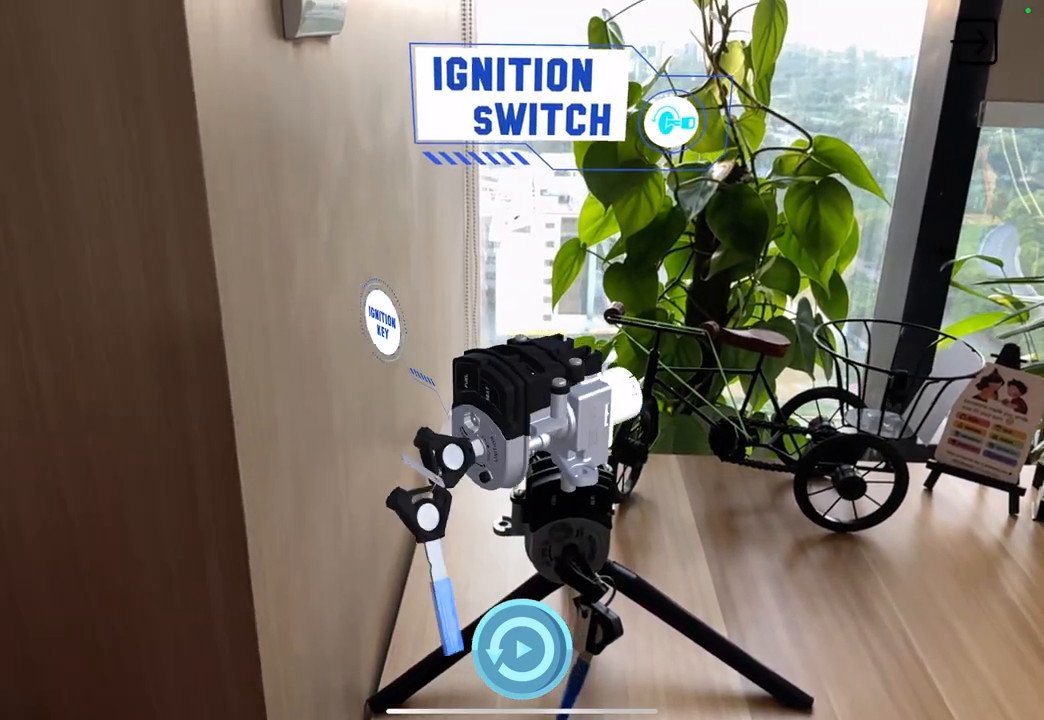 Blog · AR in industry
Raising frontline productivity with AR smart glasses and digital work instructions
How AR smart glasses and digital work instructions help frontline workers cut errors, drop paper checklists and keep the know-how of retiring experts.
Read the post Blog · Insights
Seven reasons to train your employees with virtual reality
Seven practical reasons to train employees in VR, from safer practice of high-risk tasks to lower travel costs, and why it need not cost $100,000 to start.
Read the post